
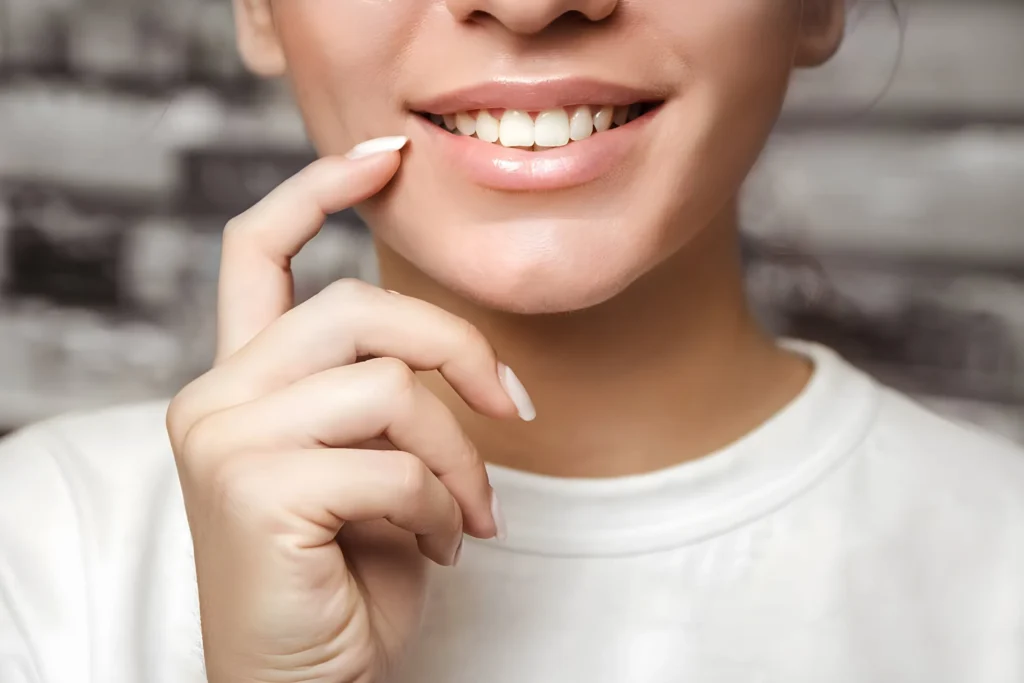
Teeth whitening brightens your natural teeth, providing a noticeable result. However, when it comes to your oral health, you need to know everything about whitening. Does teeth whitening damage your teeth? How often do you need? And how does it work? After having a good grasp, you can make up your mind decisively and commit to it to maintain your oral health and bright smile.
What Is Professional Teeth Whitening?
Professional teeth whitening is a cosmetic dental procedure that helps brighten your natural teeth to give you a brilliant smile. This procedure is often performed at a dental office with more powerful whitening agents compared to store-bought products. Professional teeth whitening gives you instant results, which can last up to 3 years with proper care and good eating habits.
How Teeth Whitening Actually Works on Enamel
The procedure for whitening should be performed smoothly without involving grinding or scraping the outer layer of your teeth to remove stains. It typically uses safe bleaching products, such as hydrogen peroxide or carbamide peroxide, which break down the stain molecules within a patient’s teeth, making the enamel intact.
Professional guidance ensures the correct strength and methods are used, explaining to a patient all details they need. Patients always ask, “Does teeth whitening damage your teeth?” That is why many people select professional teeth whitening to avoid any risk and random products that can cause harm.
Explore Our Professional Teeth Whitening for Brides
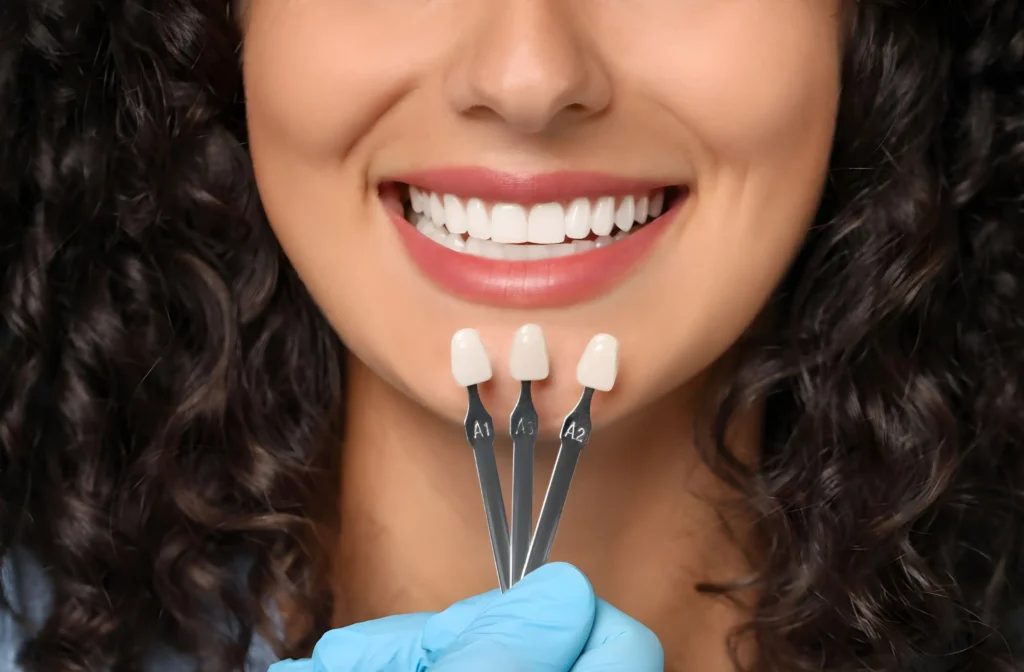
Does Teeth Whitening Damage Your Teeth
The method and technique play a crucial role in your safety; on top of that, the experience of the dentist is important in deciding whether the whitening is safe or not and what exactly the right method to use is.
There are factors to consider to maintain your oral health:
- Whitening is not suitable for those with untreated dental decay, gum disease, or weakened teeth. They need to address these concerns before whitening.
- Overall dental health before the whitening treatment.
- The proper strength of whitening gel.
- How much time a dentist should leave the gel on the teeth.
The Science Explained
- The whitening procedure opens microscopic pores temporarily.
- Then, it lifts stain particles.
- Allowing oxygen molecules to break down discoloration.
- After treatment, enamel naturally remineralizes with saliva and fluoride.
Our Teeth Whitening doesn’t only brighten your teeth; it also lets you maintain your shade at home.
Professional Whitening vs. At‑Home and Over‑the‑Counter Kits
How Often Is It Safe to Whiten Your Teeth?
Teeth whitening with a qualified dentist who uses trusted products is the safest way to brighten your teeth. However, it’s not recommended to whiten more than once a year, as repeated exposure to the whitening materials can be harmful and lead to unpleasant consequences, like tooth sensitivity from enamel loss and increased translucence.
Overall, most whitening treatments have their own specific life expectancy, no matter if they are in a dentist’s office or at home. They typically involve a top-up application halfway through the lifetime of the treatment, which is able to maintain the results for a long time and keep your teeth bright.
Following the application instructions for each specific whitening system is safe even with getting your teeth whitened once a year, which ensures the best results.
Protecting Your Enamel Before and After Whitening
Enamel is the outer layer of your teeth, which protects your teeth from daily wear, acids, and bacteria. Enamel is hard and strong, but also it is not invincible. Excessive acidic foods and improper whitening techniques can damage it, making teeth more sensitive and prone to wear. Maintaining healthy enamel is essential to maintain your oral health; that’s why you have to choose the proper technique that works the best for you. Safe whitening guarantees you get brighter teeth without compromising this protective layer.
Take a look at: Teeth Whitening for Sensitive Teeth
When to Avoid Teeth Whitening and Consider Other Options
While the most common question when it comes to whitening your teeth is, “Does teeth whitening damage your teeth?” to avoid any side effects, the first rule is having healthy teeth to be ready for the procedure. The following patients should delay their whitening process until their cavity, infection, or damage gets resolved. Here are conditions that should avoid teeth whitening:
- Individuals with inflamed gums.
- Whose tooth roots are exposed.
- Those who have restorations that need to be changed.
- Those with active cavitities
- Patients with worn enamel
Therefore, they’ll have better protection for their teeth by treating their problems first.
Teeth Whitening at Dr. Philopateer Emad’s Clinic
If you want clear answers about whitening safety or are looking for options tailored to your teeth, schedule a visit with Ivory Dental Clinic. A professional evaluation that is provided by Dr. Philopateer Emad will definitely help you select a method that brightens your smile while protecting your enamel.
Book Your Safe Teeth Whitening Consultation Now!
Conclusion
Make the question of “Does teeth whitening damage your teeth?” the least of your worries, as whitening is often safe for most people when done correctly and with an experienced dentist like Dr. Philopateer Emad. The key is a proper checkup using the appropriate method and quality materials. Selecting informed care protects both your smile and your enamel.
FAQs About Teeth Whitening Safety
1. Why Do Dentists Not Recommend Teeth Whitening?
They don’t recommend teeth whitening in case they know it will be harmful for the patient. Some patients want to jump to teeth whitening without addressing serious issues in their teeth first, such as gum disease or decay.
2. Can I Whiten My Teeth Without Damaging Them?
Yes, you can. Using the proper technique and applying each step correctly ensures successful outcomes.